From Coffee Shop Bin to Construction Site: The Closed-Loop Journey of Recycled Polypropylene Cups
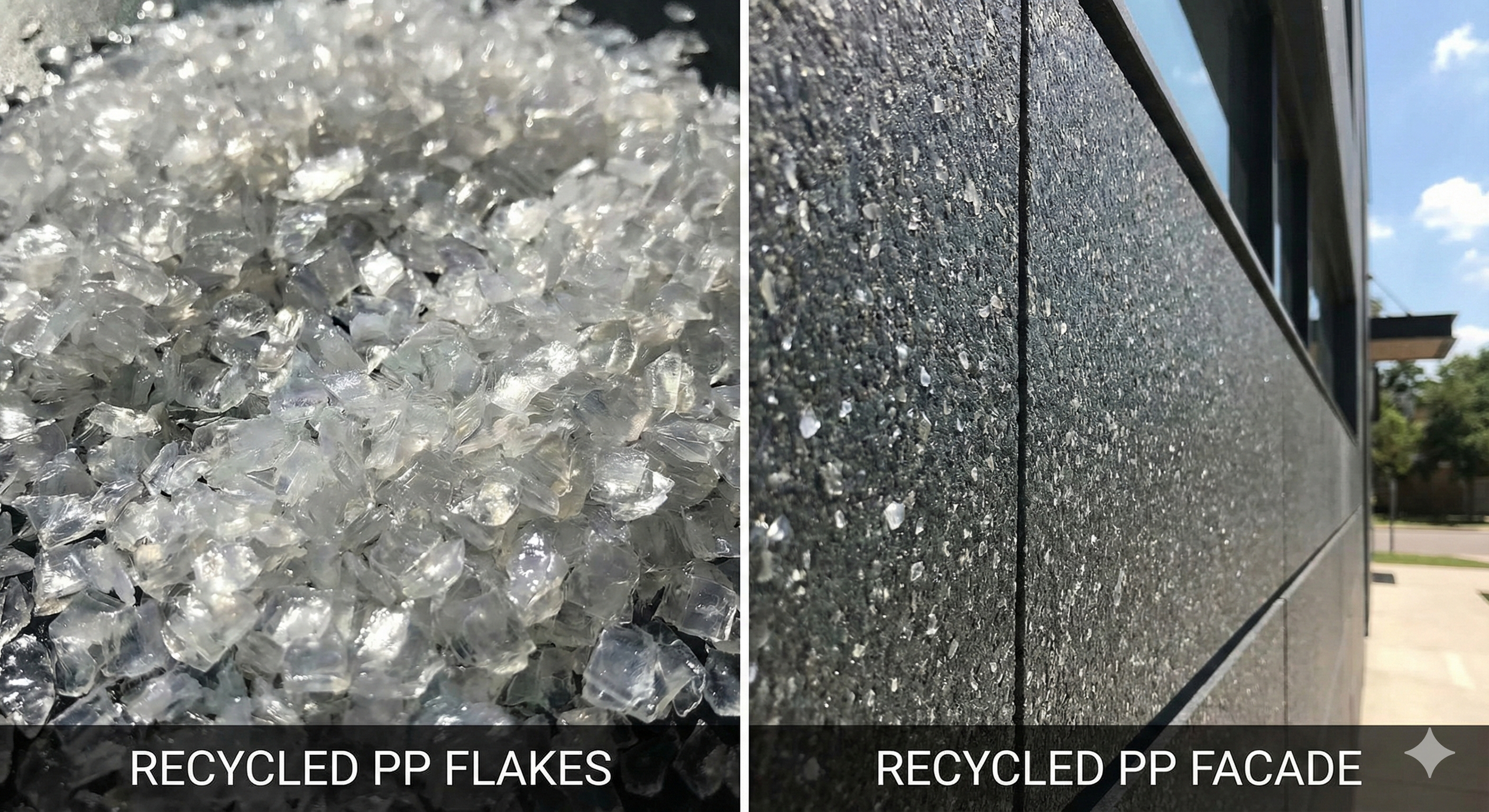
Closed-loop recycling transforms post-consumer polypropylene (PP) from coffee cups into high-value materials like construction panels, diverting waste from landfills while conserving resources. In a true closed loop, cups are collected, processed into clean flakes, and remanufactured without quality loss—reducing carbon footprints by up to 78% compared to virgin production.
Educational insight: The process begins with source separation via RVMs or curbside programs, followed by granulation (washing at 85°C to remove labels and residues) and extrusion with mineral fillers for UV stability. A 2024 Austrian case study on separately collected yogurt cups (similar to PP coffee cups) achieved 2:1 PP-to-contaminant ratios post-sorting, yielding rPP flakes that matched virgin properties for thermoforming new cups.
Real-world example: In Wales' 2023 WRAP-funded trials, single-use coffee cups were pulped to separate fibers from PE/PP linings, with the recycled PP compounded into waterproof decking and structural panels. This diverted 500,000+ cups annually, creating materials outperforming wood in durability for urban infrastructure.<grok-card data-id="61af2b" data-type="citation_card"></grok-card> Similarly, James Cropper's UK process (ongoing since 2014) recycles plastic-lined cups into bespoke packaging and paper products, sharing tech globally to boost rates—now used by retailers like Selfridges for shopping bags from cup-derived rPP.
For Austin innovators, this mirrors the city's 2025 expansion to recycle coated paper cups curbside, potentially yielding 180 tons/year diversion in a 200-venue rollout.
Startups can leverage ASTM D6662 standards for rPP lumber certification, ensuring market viability.
Closed-loop steps for commercialization:
1. **Collection**: RVMs ensure <0.5% moisture flakes, as in Thailand's hypermarket pilots.
2. **Processing**: Friction-based label removal yields food-grade potential.
3. **End-Use**: Mineral-filled rPP for panels passes impact tests exceeding virgin HDPE.
Global benchmarks like the NextGen Consortium's PP recovery (from iced drink cups) highlight scalability, with U.S. pilots turning flakes into yogurt cups and pods.
Austin's Circular Economy Program offers accelerators for such ventures.
Ready to map a closed-loop prototype for your startup? Austin Mechatronics provides educational strategy sessions on material flows.
**Further Reading**
- [WRAP Wales Coffee Cup Recycling Trials]
- [Austrian rPP Yogurt Cup Study]